viernes, 29 de octubre de 2010

X Encuentro Nacional de Pastoral Indigena


Misión y pueblos indígenas: al servicio de la vida


25 al 29 de Octubre de 2010


.


Convocados por el Espíritu del Señor, nos hemos reunido en el Centro Misional Jesús Obrero, de los Padres Agustinos, en Tolé, Chiriquí, Diócesis de David, para celebrar el X Encuentro Nacional de Pastoral Indígena (ENPI).


.


Somos 94 personas, entre ellas autoridades indígenas, laicos, catequistas, religiosas, sacerdotes y obispos que tratamos de acompañar y servir a los pueblos ngóbe, kuna, enberá, wounaan, buglé, naso y bribri, en Panamá y Costa Rica.


.


Nos reunimos para compartir las experiencias y el caminar de la Iglesia y de la Pastoral Indígena y para tratar de definir las mayores amenazas a la vida integral nuestras comunidades. Reflexionamos sobre la presencia y la incidencia de la Iglesia en esta coyuntura histórica y concretamos las líneas generales de la Misión Continental anunciada en la Conferencia de Aparecida.


.


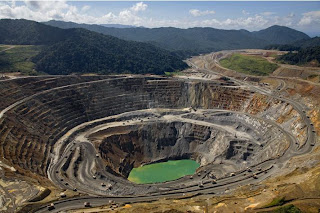
Queremos manifestar nuestra preocupación por las graves amenazas que atentan contra la vida de nuestras comunidades, ya que como Iglesia estamos insertos en los sectores geográficos en los que se centra la mirada de diversos proyectos mineros, hidroeléctricos, turísticos, etc. Nos afecta además la promulgación de leyes inconsultas que no benefician en nada a los pobres y a los pueblos de distintas culturas. El conflicto de Changuinola marcó, lamentablemente, un precedente de lo que puede suceder si se sigue legislando en contra de la población. Exigimos nuestro derecho a la tierra y el respeto a la misma; reclamamos que las comunidades que han quedado fuera de las comarcas sean incluidas y protegidas bajo este régimen. Por otra parte, nuestros hermanos y hermanas que han migrado a la ciudad siguen reclamando el derecho a vivir con su propia identidad y cultura.


.


Nos preocupa y nos duele el racismo, a veces solapado, a veces explícito, que va creciendo contra nosotros en el conjunto social y en las mismas autoridades del gobierno, por el mero hecho de defender nuestros derechos, nuestra tierra, nuestras propias raíces culturales. Los pueblos originarios de Abia Yala ofrecemos al resto de la sociedad un estilo de vida fraterno, comunitario, respetuoso del equilibrio de la tierra y de todo ser humano. No queremos estar al margen de la sociedad y de la nación panameña, ni ser enemigos; somos hermanos, hijos e hijas del mismo Padre.


.


Dirigimos también nuestra palabra a las distintas instancias de la Iglesia Católica para que se solidaricen con nosotros y hagan suyo nuestro propio sufrimiento, tal y como nos enseñó el Señor (Mt 25). Que la indiferencia no anide en sus corazones ante la muerte lenta a la que son sometidos nuestros pueblos.


.


Como Pastoral Indígena, deseamos establecer lazos con todas aquellas instituciones y grupos organizados de la sociedad civil que apuestan por la vida. Queremos trabajar con aquellos hombres y mujeres que creen y apoyan nuestra causa. Juntos podremos generar cambios significativos en beneficio de la Madre Tierra y nuestras comunidades.


.


Para terminar este comunicado queremos hacer resonar aquellas palabras que el Papa Juan Pablo II dijo a los pueblos indígenas en Yucatán, México, en 1993: Ustedes son la luz del mundo, son la sal de la tierra; son los nuevos evangelizadores del Continente. Con ustedes la Iglesia puede establecer una alianza estratégica para la evangelización del mundo.


.


Dado en Tolé, Chiriquí, 28 de Octubre de 2011.

lunes, 6 de septiembre de 2010

The Other Side of the Mountain

- by Marian Thorpe

Yale University


on page 42 of this link you will find an article about the Ngobe struggle to protect the forest against open-pit mining...


sábado, 4 de septiembre de 2010

Heartbeat of a People


When we arrived at Suliagwatdabitdi in late afternoon under a heavy downpour, most of us had our minds set on a good night’s sleep in preparation for the following day’s work. We came for a Ngóbere language workshop; an attempt encourage each other in our commitment to able speak this unwritten language. Our group was made up of missionaries - religious and lay - ngóbe instructors and the sabios (wise ones) who would sit amongst us throughout the encounter, keeping our efforts grounded in the richness of Ngóbe culture.


But the good night’s rest was not to be for most in the group. The workshop took place at the shelter built by the Augustinian missionaries as a service to the ngóbe who travel down from the deep forest to acquire basic necessities. Many come ten or twelve hours by foot and need a place to rest before heading back into the mountains the following day with the heavy cargo they carry on their backs hanging from a kra strapped across their head.


As always, these caravans consist of whole families. And at about one in the morning a child started crying, or better said, screaming! He persisted for a long time. His mother had gone to the fagón (three stone stove) to light the fire and prepare the food they would need for the journey back home. The child awoke without his mother by his side and began crying out. The hunger so prevalent at this time of year surely played its part in the child´s difficult night, as we await the harvest in a few weeks.


The following morning, while several red-eyed missionaries spoke of the poor night’s sleep they had due to the child´s screaming, one of the sisters who began studying the language a few months ago said, “But I understood him! It was not just noise anymore; he was crying ‘meye! meye!’”. Meye is the ngóbe word for “mommy”.


The image of that child crying and the sister hearing words, not just noise, stayed with me throughout the days of study. I reflected on what we are trying to do, why we’ve decided that truly learning the language is a necessity, not an option.


We often profess our desire to “speak the language”, “preach the gospel”, communicate effectively what “we’ve come to know”. These are surely sincere reasons for our efforts. But the sister hearing this suffering child cry out from his heart in the language his heart speaks, presented to us the most fundamental reason for our efforts… hear the cry and joy, listen deeply to the voice, and ultimately feel the heartbeat of a people.


Little by little, as we are blessed to walk alongside the ngóbe, live in their villages and drink from the deep well of their culture that in so many ways places the good of others over oneself, we cannot help but be challenged, transformed and given new life.


We ask the God of Life (Ngöbö) to continue to bless our humble efforts in sharing the Good News of Christ… bless our efforts like the first fruits of the harvest, let them grow and take root in our hearts. And in the midst of joy and suffering allow us to hear the voice of God in the heartbeat of a people.


- joe

lunes, 26 de julio de 2010

En Bugaba...¡Rios Libres para la Vida!

(Carta de las Parroquias Catolicas de Bugaba al Municipio)

10 de junio 2010

.

“La Iglesia tiene una responsabilidad respecto a la creación y se siente en el deber de ejercerla también en el ámbito público, para defender la tierra, el agua y el aire, dones de Dios Creador para todos, y sobre todo para proteger al hombre frente al peligro de la destrucción de sí mismo.”

(Carta del Papa Benedicto XVI para la Jornada Mundial por la Paz, 1 de enero 2010)

.

Respetuosos Hermanos y Hermanas del Consejo Municipal de Bugaba,

¡Que la paz y el amor de nuestro Dios Creador estén siempre con ustedes!

.

Durante los últimos años, la Iglesia católica a nivel mundial y especialmente a nivel de América Latina, ha tomado en cuenta la importancia de buscar modelos de desarrollo que respeten al hombre y la creación de nuestro Dios. La Conferencia Episcopal de América Latina proclamó en Aparecida que “el discípulo misionero, a quien Dios le encargó la creación, debe contemplarla, cuidarla y utilizarla, respetando siempre el orden que le dio el Creador.” (Aparecida 125).

.

Por eso, como feligreses de la Iglesia, no podemos ignorar la proliferación de proyectos hidroeléctricos en la provincia de Chiriquí, especialmente en el distrito de Bugaba. Según los últimos datos de la Autoridad Nacional de los Servicios Públicos (ASEP), hay 16 proyectos hidroeléctricos en construcción, diseño final o trámites solamente en nuestro distrito. Con varios proyectos en cada río, los impactos ambientales, tanto como sociales y culturales, son graves. “Ya que los recursos son cada vez más limitados, su uso debe estar regulado según un

principio de justicia distributiva respetando el desarrollo sostenible” (Aparecida 126).

.

Según un estudio del Banco Interamericano de Desarrollo (BID), solicitado por la Autoridad Nacional del Ambiente (ANAM), las concesiones de la “cuenca de agua número 102”, que nos afecta, ponen 98% del agua de los ríos en manos de empresas hidroeléctricas y dejan 2% designado para el uso doméstico, turístico, agrícola, agropecuario, entre otros (BID estudio 102-3). Esta realidad está muy lejos de los conceptos del bien común, el destino universal de los bienes, y la justicia distributiva –conceptos fundamentales de la doctrina social de la Iglesia.

Como bien sabemos, los proyectos que ya están amenazando la vida de las comunidades, forman parte de un plan que vende energía a nivel de América Central. Actualmente como país, tenemos la capacidad instalada de 1,789 megavatios. El día de mayor consumo en toda nuestra historia fue de 1,175 megavatios. Una buena planificación de energía va a tomar en cuenta el

crecimiento del país en un contexto de responsabilidad a todos los niveles: social, agropecuario, industrial y empresarial. Sin embargo, los proyectos hidroeléctricos que tienen concesiones y licencias otorgadas, con capacidad de 1,685.79 megavatios, lo que representa un total de 3,474.79 megavatios, sin incluir los otros proyectos en trámites con capacidad de producir 4,621.68 megavatios adicionales. Es decir, un país que consume un promedio de menos de 1,000 megavatios está dando concesiones para producir cinco veces más que su consumo (todos los datos provienen de la ASEP). Este plan internacional no considera los efectos negativos locales que estos proyectos conllevan y reduce el agua a un simple bien del mercado internacional, en lugar de una bendición de Dios que nos da la vida.

.

A nivel de las comunidades hemos escuchado la promesa de progreso económico como una justificación adecuada. No obstante, la experiencia de muchos de nosotros a nivel de la comunidad es de engaños, mentiras y violencia por parte de las empresas y gobierno. Aunque mejores caminos, educación y salud son muy importantes, estos proyectos no toman en cuenta la complejidad del desarrollo humano que va más allá de lo económico, ni consideran los miembros de las comunidades como verdaderos protagonistas de su propio desarrollo. “Como profetas de la vida, queremos insistir que en las intervenciones sobre los recursos naturales no predominen los intereses de grupos económicos que arrasan irracionalmente las fuentes de vida, en perjuicio de naciones enteras y de la misma humanidad.” (Aparecida 471).

.

Este es un periodo muy importante donde las decisiones que tomemos tendrán grandes consecuencias para el bien común y la vida de las generaciones futuras. Por eso, pedimos a ustedes como representantes de los bugabeños: a) cumplir con los acuerdos municipales números cuarenta y tres (43) y cuarenta y cinco (45) de 2008 que proclaman las riquezas naturales del distrito como patrimonio municipal, y b) rechazar los permisos de construcción de hidroeléctricas en nuestros ríos. Solicitamos también, implementar las nuevas tecnologías de energía alternativa, como la solar y la eólica, en remplazo de la energía térmica e hidroeléctrica con sus nocivas repercusiones.

.

Estamos en un momento de esperanza, un momento para la posibilidad de decisiones responsables. En su última encíclica, el Papa dijo que “cuando se respeta la ecología humana en la sociedad, también la ecología ambiental se beneficia” (Caritas in Veritate 51).

.

- Ha llegado el momento de celebrar la vida en cada forma como un milagro de Dios.

.

- Ha llegado el momento de pensar nuevamente qué es el verdadero desarrollo sostenible, que no destruye la creación ni al ser humano en el proceso.

.

- Ha llegado el momento de entender la gran riqueza contenida en nuestro distrito, con una biodiversidad privilegiada a nivel mundial.

.

- Ha llegado el momento en que Bugaba sea un buen ejemplo de responsabilidad ambiental para el país, y Panamá se distinga como ejemplo de responsabilidad ambiental para el mundo.

.

Que el Dios de la vida siempre nos proteja, ilumine el camino de esperanza y nos de la fuerza y el valor de tomar decisiones responsables para hoy y mañana.

Rev. Edison Famanía, CM.

Párroco de Concepción

.

Rev. Geovany Morales, CM.

Párroco de Volcán

.

Rev. Rolando Molina, CM.

Párroco de San Andrés

.

Rev. José Fitzgerald, CM.

Asesor de CEMCODE (Coordinadora del Equipo

Misionero de la Concepción por la Defensa de los Ecosistemas)

lunes, 15 de marzo de 2010

Convivencia de Verano 2010

“Juntos como hermanos al encuentro del Señor”

(Together as brothers and sister, to meet the Lord)

Summer Gathering 2010

.

We gathered at the door of the small wooden chapel to greet the sun as it peaked from the side of Patena Hill. Ari core Ngöbö ye”, (we give thanks to God) we sang in native Ngöbere to end a night long vigil of music and preaching. It was mostly the kids who were wide awake at this hour, as many adults had slipped out little by little to get some rest in the early morning hours.

.

“Together as brothers and sisters, to meet the Lord”, words from a song frequetly used during mass, was the theme picked by the host community – Quebrada de Hacha (Ax Creek). The words reflect the hope we had in gaining a deeper sense of our being Church – one people united in Christ. The night was filled with joyous music, personal testimonies and various themes presented by the Ngöbe community animators from several villages.

.

With the sun up we filled ourselves with boiled bananas and coffee and began preparations for the mass under the mango tree that would be the culmination of the gathering. The generator ran out of gas halfway through the mass – silencing the instruments of the group that came from Concepcion to animate the gathering. But the enthusiasm of the community, despite little or no sleep, was evident as the songs went on in great volume.

.

“Ari core Ngöbö ye”


Chorcha River Dam Update:


It has been more than 3 years since we first heard of the plan of a Columbian company to dam the Chorcha River to produce power for the Central American Electric Grid. (None of our communities have electricity and there is currently no plan to receive it). The tireless efforts of the Ngöbe to prevent the environmental, social and cultural damage that this project promises have produced little fruit in face of the economic power of the company, back by the government.


.


In December the company landed by helicopter within Ngöbe reservation territory with National Guard and private security armed with M16 semi-automatic rifles. The company spent several weeks realizing design studies at the river while the residence of Quebrada de Arena lived in fear their lives. The company left with the promise to return shortly.


.


“If want to cultivate peace, protect creation” was the 2010 New Years message of the Pope to all Catholics and people of good will. The violence that surrounds environmental destruction becomes more apparent each day, and it’s repeatedly the poorest who suffer most.


.


We pray that true peace comes to this situation, that the dignity of the Ngöbe be respected, their voice be heard, and that the integrity of God’s creation be revered.


viernes, 12 de marzo de 2010

In Ngöbe mythology, Mögatda is a sea serpent who enters the river from the sea. As a small creature he goes up the river unnoticed, and spends years or perhaps hundreds of year under the mountains growing larger and larger. The hot springs flowing from the hillside give testament to the creature inside. The frequent landslides give caution that the creature is now much too large for his subterranean dwelling.

.

One day, when no expects it, Mögatda leaves his hiding and heads back to the sea. Now with seven heads and much too big for the river, his tail knocks down trees, water floods the banks and wipes out whole villages. Music from traditional flutes and other instruments can be heard as he makes his ferocious dash for the sea.

.

On September 3, 2008, as the sun was setting, Mögatda came down the Fonseca River where we serve as the Soloy Catholic Mission in a way even the elders have never seen or heard. Huge trees from the high mountain forest came down river, wiping out villages and crops.

.

Plinio, a young Ngöbe man who always helps Fr. Charlie in guiding the missionaries through the mountains, quickly looked for higher ground with his family. But like most, the only alternative was to climb trees with children in tow. Plinio left his safe spot in the tree when her heard the screams of young girls in a nearby hut, and quickly saved a women and child as the waters continued to rise. He waded through the water once again, returning to the hut in search of the last little girl. But as he left the hut – with the girl in one arm and a pig in the other – the force of Mögatda was too strong. Plinio and the girl in his arms were among the six that died that night.

.

When we gathered for mass a few days later – three bodies had been found and three were still missing. The government had stopped looking, so the men from the villages took up the search. After mass, which we celebrated under a tree, as the chapel was too small, we invited people to speak to the large group gathered for the quasi-funeral. The words of the Ngöbe in this moment manifest there immense struggle to survive, and their deep faith in God’s loving hand. They spoke of the humble bravery of the men searching the dangerous river for the remaining bodies. They spoke of the need to help the families who lost the little they had, rebuilding homes, planting crops. More than anything they encouraged one another to have faith in the love of God for the deceased and the now homeless.

.

Two days later, we stood on the river bank along with the last body, a four year old girl; her mother and grandmother were also among the deceased. I looked around at the many Ngöbe gathered in silence, waiting for several hours for the government’s OK to take the body to the chapel. In the midst of this, I couldn’t help but think of the wisdom of Vincent in encouraging his missionaries to open their lives and hearts and find Christ present among the poor. Standing for hours on the river bank beside a water-bloated body of a four year old, who now laid in a grain sack, I knew that following Christ evangelizing the poor is the greatest gift and greatest challenge we face. The experience of Christ in the most desperate circumstances is overwhelming, indescribable, yet “swells up” from the experience of the poor.

.

“And (Christ) himself wished to be born poor, to receive the poor in his company, to serve them, to put himself in their place, and even to say that the good and harm that we do to them he would consider to have been done to his person”

Vincent de Paul

.

When Vincent said that “love is creative even to infinity” he was not speaking of the need for creativity in serving the poor, although that is surely a good thing. He was speaking, rather, of the creating and loving God who broke into human history as a poor child to a young mother of an enslaved people. Vincent was speaking of how when Christ deeply desired to be present to his disciples in a concrete way, he unexpectedly left for them his very presence in simple bread and common wine.

.

I think Vincent knew that God, in all his abundant creative love, enters our story in ways we often fail to see. I believe Vincent understood this most in his accepting the way Christ is present in a special way among the poor. In sending his missionaries to the margins of society and the forgotten corners for the world – he was inviting them to accept the gift of God once again breaking into our story, our journey, in the humblest of ways – through the lives of those who God loves most.

.

I come to realize more each day the privilege it is to journey amongst the Ngöbe as a Vincentian, share their joys and celebrate their culture, as well as witness their unshaken faith and commitment to each other in the most horrific of circumstances.

.

As we continue our plan of renewal as a Province, I thank God for our vocation in following his Son accompanying the poor; I thank Vincent for the simple and rich heritage that continues to be our guiding light today; and I thank the poor, the Plinio’s in the life of each of us, who allow us the privilege to walk with them and experience Christ among them.